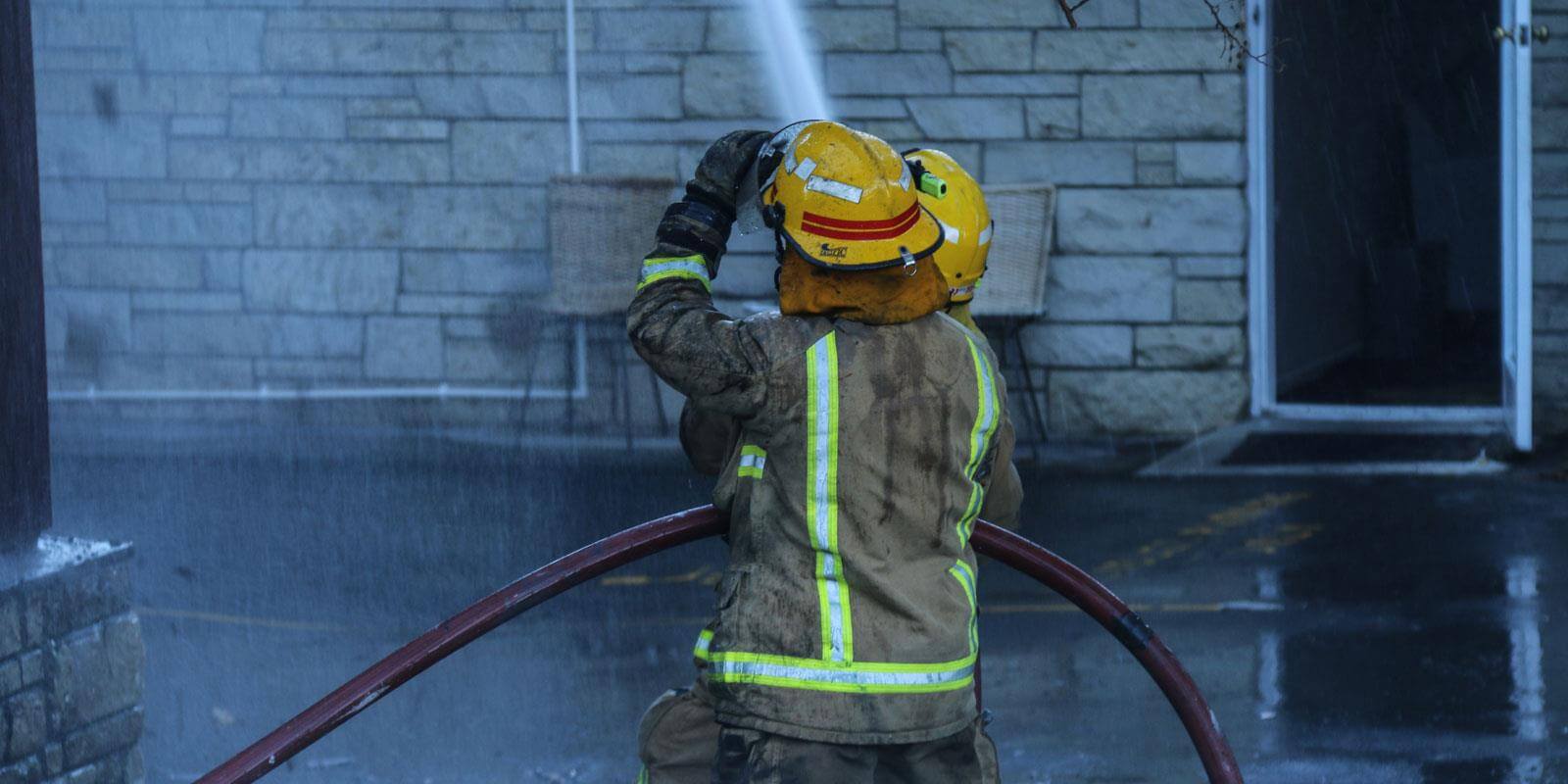
The NZPFU membership has overwhelmingly voted for more strike action.
The NZPFU membership is as strong as ever in its resolve to fight for a fair and reasonable collective agreement that embeds safe systems of work—crucial for emergency response and the protection of the community.
The gruelling 18 months of bargaining and 7 months of industrial action, including one-hour full stoppages, have not deterred the resolve of the NZPFU membership.
The NZPFU held 25 membership meetings in 19 Locals across the country, from Whangarei to Invercargill, over the past fortnight.
At each meeting, the membership was updated on the bargaining and the key issues facing our members. They also voted on two industrial action ballots, and those ballots were counted tonight (Friday 27 February 2026). The scrutinised ballot count is attached.
-
97% voted for new, additional industrial action that does not affect emergency response (the white omnibus ballot).
-
93% voted to give the National Committee more flexibility in bringing on the one-hour full stoppages that are now being
held two times a week.
All current industrial action that has been taken over the past 7 months will continue.
The outcome of these ballots must be taken seriously by FENZ.
FENZ must change its unacceptable position.
We need to see an offer that includes the development and protection of safe systems of work critical to the emergency response for the community. This includes safe staffing and embedded, robust processes for the proper resourcing of FENZ, including replacing the failing fleet.
The Union wants real progress in addressing the current dire state of FENZ, which is necessary in order to future-proof the organisation—including training and staffing. We have increasing numbers of members with occupational illness and mental health issues, and some of our members are the lowest paid in FENZ. It makes no sense, and it is not fair or reasonable, for those who put the quality and quantity of their life on the line, and have the fate of others in their hands, to be paid far less than those who do not take those risks. The public sector pay structure is not compatible for firefighters and 111 emergency call centre dispatchers.
We look forward to FENZ revising its position and coming to the Union wanting to settle.
In unity
National Secretary
Wattie Watson